
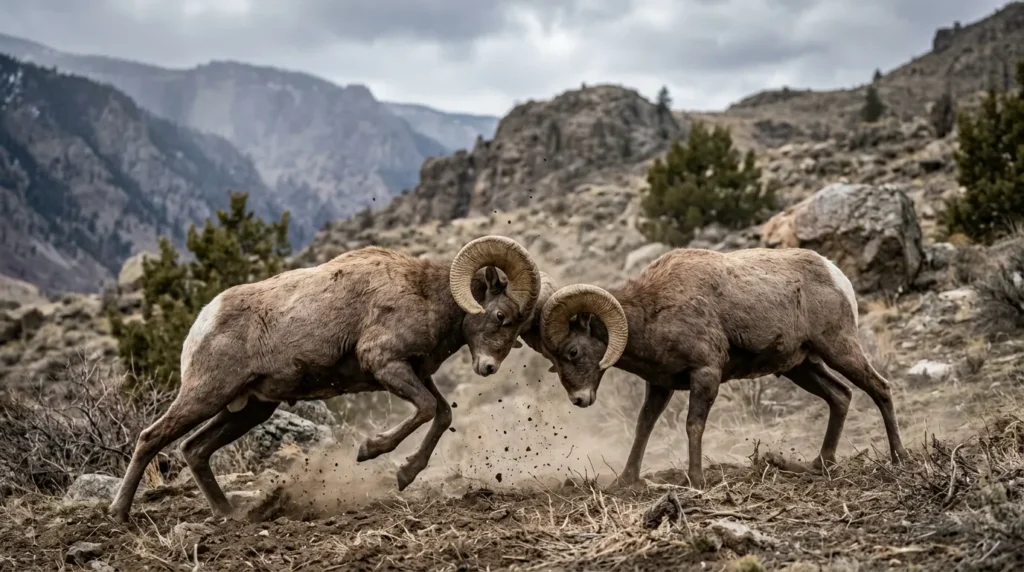
What Is a Simile for Conflict?
A simile for conflict is a figure of speech that compares a disagreement, struggle, or clash to something else using the words like or as.
For example, the sentence “Their argument was like a thunderstorm” compares a heated disagreement to a powerful storm. It suggests that the argument was loud, intense, and difficult to control.
Writers use conflict similes to describe verbal arguments, emotional struggles, competing interests, and physical confrontations. A well-chosen simile can make a scene more realistic and help readers understand the feelings of the people involved.
Best Similes for Conflict
Here are some effective similes for describing disagreements, tension, and struggles.
1. Conflict Like a Thunderstorm
Meaning: This simile describes a conflict that is loud, intense, and filled with strong emotions. Like a thunderstorm, it may develop quickly and disturb everyone nearby.
Quote: “Their anger rolled through the room like thunder before a storm.”
Examples:
The argument between the two neighbors was like a thunderstorm shaking the entire street.
Their disagreement grew like a thunderstorm gathering over a quiet town.
The meeting turned into a thunderstorm when everyone began shouting at once.

2. Conflict Like a Tug-of-War
Meaning: This simile describes a struggle between two sides that are trying to gain control or achieve different goals.
Quote: “Their competing ambitions pulled at the team like a never-ending tug-of-war.”
Examples:
The debate over the new rules was like a tug-of-war between students and teachers.
The siblings fought over the inheritance like two teams in a tug-of-war.
Their partnership became like a tug-of-war, with neither person willing to compromise.
3. Conflict Like a Volcano Ready to Erupt
Meaning: This simile describes a situation filled with hidden anger that could explode at any moment.
Quote: “Beneath his calm expression, resentment simmered like a volcano ready to erupt.”
Examples:
The office was like a volcano ready to erupt after weeks of disagreements.
Their friendship felt like a volcano waiting to burst after the painful misunderstanding.
The tense meeting was like a volcano ready to erupt when the manager criticized the team.
4. Conflict Like a Burning Fire
Meaning: This simile describes a disagreement that spreads or becomes more intense as anger and resentment grow.
Quote: “One careless accusation fed their argument like wood feeding a fire.”
Examples:
The rumor spread through the neighborhood like a fire consuming dry grass.
Their small disagreement grew like a fire that nobody tried to extinguish.
His harsh words fueled the conflict like flames catching a pile of paper.
5. Conflict Like a Battlefield
Meaning: This simile describes a situation in which people feel they must defend themselves, fight for their position, or protect what matters to them.
Quote: “The conference room felt like a battlefield where every word was a weapon.”
Examples:
The family dinner became like a battlefield when old arguments returned.
Their workplace felt like a battlefield because everyone competed for recognition.
The debate turned into a battlefield of opposing opinions.
6. Conflict Like a Tornado
Meaning: This simile describes a chaotic conflict that moves quickly and leaves confusion or damage behind.
Quote: “The accusation swept through their friendship like a tornado.”
Examples:
The argument spread through the office like a tornado.
His sudden outburst hit the peaceful gathering like a tornado.
The dispute turned their organized project into a situation as chaotic as a tornado.
7. Conflict Like a Ticking Time Bomb
Meaning: This simile describes a problem that appears quiet but may explode into a serious confrontation if ignored.
Quote: “Their unresolved disagreement sat between them like a ticking time bomb.”
Examples:
The unfair decision became like a ticking time bomb inside the company.
Their growing resentment was like a ticking time bomb waiting for the wrong moment.
The unresolved family dispute remained like a ticking time bomb for years.
8. Conflict Like a Wall Between Two People
Meaning: This simile describes a disagreement that creates emotional distance and prevents people from understanding one another.
Quote: “Their silence stood between them like a wall built from years of hurt.”
Examples:
The misunderstanding became like a wall between the two friends.
His refusal to apologize created a wall between him and his brother.
Their opposing beliefs stood like a wall separating the two communities.
9. Conflict Like a Stormy Sea
Meaning: This simile describes a struggle filled with uncertainty, emotional turbulence, and sudden changes.
Quote: “Their relationship rocked like a boat on a stormy sea.”
Examples:
The negotiations moved like a boat through a stormy sea.
Her emotions during the family dispute were like waves on a stormy sea.
The team struggled through the project like sailors crossing a stormy sea.
10. Conflict Like a Chess Match
Meaning: This simile describes a calculated conflict in which each side carefully plans its next move.
Quote: “Their negotiation unfolded like a chess match, with every word carefully chosen.”
Examples:
The political debate became like a chess match between two experienced leaders.
Their business disagreement played out like a chess match.
Each side prepared its arguments like players planning their moves in a chess match.
11. Conflict Like a Knife Cutting Through Silence
Meaning: This simile describes a harsh disagreement or remark that suddenly breaks a peaceful atmosphere.
Quote: “His accusation cut through the silence like a knife.”
Examples:
Her bitter comment entered the conversation like a knife through silence.
The unexpected criticism broke the peaceful meeting like a knife slicing through cloth.
His angry words cut through their quiet evening like a knife.
12. Conflict Like a Wrestling Match
Meaning: This simile describes a struggle in which both sides resist one another and refuse to give up.
Quote: “Their debate became like a wrestling match, with neither side ready to surrender.”
Examples:
The negotiations felt like a wrestling match between two stubborn partners.
The siblings argued like competitors in a wrestling match.
Reaching an agreement was like surviving a wrestling match with no clear winner.
13. Conflict Like a Storm Cloud Hanging Over a House
Meaning: This simile describes ongoing tension that affects everyone, even when nobody is openly arguing.
Quote: “The disagreement hung over the family like a storm cloud that refused to move.”
Examples:
Their parents’ argument lingered like a storm cloud over the house.
The unresolved problem hung over the office like a dark cloud.
A feeling of distrust remained like a storm cloud above the friendship.
14. Conflict Like Sparks Flying From Steel
Meaning: This simile describes a clash in which opposing personalities or opinions produce intense reactions.
Quote: “Their opposing ideas met like steel striking steel, sending sparks across the room.”
Examples:
The two debaters clashed like steel striking steel.
Their personalities collided like metal tools producing sparks.
Every discussion between the rivals created sparks like steel hitting stone.
15. Conflict Like a Rope Pulled Too Tight
Meaning: This simile describes tension that has increased so much that even a small incident could cause a breakdown.
Quote: “Their patience stretched like a rope pulled too tight.”
Examples:
The team’s relationship felt like a rope stretched to its limit.
After weeks of criticism, his patience was like a rope pulled too tight.
The negotiations became tense like a rope about to snap.
16. Conflict Like a House Divided
Meaning: This simile describes a disagreement that splits a group, family, or organization into opposing sides.
Quote: “The argument left the once-united family like a house divided.”
Examples:
The disagreement over money turned their partnership into a house divided.
The school community felt like a house divided over the new policy.
Their conflicting opinions made the committee resemble a house divided.
17. Conflict Like Waves Crashing Against Rocks
Meaning: This simile describes repeated clashes in which neither side seems able to change the other’s position.
Quote: “Their arguments struck each other like waves crashing against unmovable rocks.”
Examples:
Their opposing beliefs collided like waves crashing against rocks.
The negotiations continued like waves beating against a rocky shore.
Every attempt at compromise failed like waves breaking against a cliff.
18. Conflict Like a Storm in a Teacup
Meaning: This simile describes a minor disagreement that becomes much more dramatic than the situation deserves.
Quote: “Their argument over a missing pen became a storm in a teacup.”
Examples:
The disagreement about lunch plans turned into a storm in a teacup.
They treated a small scheduling mistake like a storm in a teacup.
What began as a simple misunderstanding became a storm in a teacup.
19. Conflict Like Two Trains on the Same Track
Meaning: This simile describes two opposing forces moving toward a confrontation that seems difficult to avoid.
Quote: “Their competing plans rushed toward each other like two trains on the same track.”
Examples:
The rival teams approached the final debate like two trains on the same track.
Their conflicting business strategies moved toward a collision like two trains.
The disagreement between the managers felt like two trains heading toward the same point.
20. Conflict Like Ice Cracking on a Frozen Lake
Meaning: This simile describes a relationship or situation that appears stable but begins to break under pressure.
Quote: “Their trust cracked like ice beneath a heavy step.”
Examples:
The friendship began to fracture like ice cracking across a frozen lake.
The manager’s broken promise damaged the team’s trust like ice splitting under pressure.
Their peaceful relationship started to break like thin ice beneath heavy footsteps.
21. Conflict Like a Match Striking Dry Grass
Meaning: This simile describes how one small incident can quickly trigger a much larger disagreement.
Quote: “His sarcastic remark ignited the room like a match striking dry grass.”
Examples:
The accusation spread through the group like a match lighting dry grass.
One rude comment started the argument like a match thrown into dry leaves.
The minor complaint ignited a larger dispute like a spark catching dry grass.
22. Conflict Like a Maze Without an Exit
Meaning: This simile describes a complicated disagreement in which every attempted solution creates another problem.
Quote: “Their dispute twisted like a maze with no clear exit.”
Examples:
The legal disagreement felt like a maze without an exit.
They wandered through misunderstandings like travelers lost in a maze.
Finding a solution seemed like escaping a maze with walls that kept moving.
23. Conflict Like a Rope Tearing Apart
Meaning: This simile describes a struggle that weakens a relationship or partnership until it begins to fall apart.
Quote: “Years of mistrust pulled their partnership like a rope tearing strand by strand.”
Examples:
Their repeated arguments weakened the friendship like a rope coming apart.
The business dispute stretched their partnership like a rope close to breaking.
The family conflict pulled their unity apart like a fraying rope.
24. Conflict Like a Drumbeat Growing Louder
Meaning: This simile describes tension that steadily increases until it becomes impossible to ignore.
Quote: “The disagreement grew louder like a drumbeat approaching a battlefield.”
Examples:
Complaints grew like a drumbeat as the deadline approached.
The tension between the rivals intensified like a drumbeat getting closer.
Rumors spread through the school like a drumbeat announcing a coming clash.
25. Conflict Like a Shadow Following Someone
Meaning: This simile describes an unresolved disagreement that continues to affect a person long after the argument ends.
Quote: “The memory of their argument followed him like a shadow.”
Examples:
Her regret followed her like a shadow after the disagreement.
The old dispute lingered like a shadow over their reunion.
Their unresolved conflict followed the team like a shadow into every new project.
26. Conflict Like Two Storms Colliding
Meaning: This simile describes a powerful confrontation between two people or groups with equally strong emotions or ambitions.
Quote: “When the two leaders met, their anger collided like two storms.”
Examples:
The debate between the rivals felt like two storms colliding.
Their opposing ambitions crashed together like storms meeting over the sea.
The family gathering became intense when two strong personalities collided like storms.
27. Conflict Like a Spark in a Powder Keg
Meaning: This simile describes a small action that triggers a major confrontation in an already tense situation.
Quote: “The careless joke landed like a spark in a powder keg.”
Examples:
His criticism acted like a spark in a powder keg during the tense meeting.
The accusation was like a spark falling into a room full of anger.
One minor disagreement set off the team like a spark in a powder keg.
28. Conflict Like a Knot That Keeps Tightening
Meaning: This simile describes a disagreement that becomes more complicated as people argue instead of working toward a solution.
Quote: “Every new accusation tightened their dispute like a knot pulled with each tug.”
Examples:
Their financial disagreement became like a knot that grew tighter with every conversation.
The misunderstanding twisted like a knot that nobody knew how to loosen.
Their refusal to listen tightened the conflict like a rope pulled again and again.
29. Conflict Like a River Overflowing Its Banks
Meaning: This simile describes emotions or disagreements that become too intense to contain.
Quote: “Her frustration poured out like a river overflowing its banks.”
Examples:
The workers’ anger spread like a river overflowing its banks.
His complaints came rushing out like floodwater after a storm.
The family’s long-held resentment burst forth like a river breaking through its banks.
30. Conflict Like a Broken Bridge
Meaning: This simile describes a disagreement that damages communication and makes it difficult for two sides to reconnect.
Quote: “Their accusations left their friendship like a broken bridge between two distant shores.”
Examples:
The betrayal created a gap between them like a broken bridge.
Their refusal to compromise left the two departments separated like communities without a bridge.
The argument damaged their communication like a bridge collapsing between two towns.
Similes for Different Types of Conflict
Conflict can take many forms. Choosing a simile that matches the situation makes your writing more precise and believable.
Similes for Verbal Conflict
Use these comparisons when describing arguments, debates, and heated conversations.
Like a thunderstorm: A loud, emotionally intense argument.
Like sparks flying from steel: A sharp clash of opposing opinions.
Like a wrestling match: A stubborn argument in which neither person gives in.
Like a match striking dry grass: A small comment that starts a major disagreement.
Like a chess match: A carefully planned debate in which each side chooses its words strategically.
Similes for Emotional Conflict
These similes help describe inner struggles, hurt feelings, and emotional tension.
Like a stormy sea: Emotions that are difficult to control.
Like a ticking time bomb: Hidden resentment that may eventually erupt.
Like a rope pulled too tight: Emotional pressure reaching its limit.
Like a shadow following someone: A painful disagreement that remains in someone’s thoughts.
Like a maze without an exit: An inner struggle that feels difficult to resolve.
Similes for Conflict Between Friends or Family
Use these comparisons to describe damaged relationships, misunderstandings, and separation.
Like a wall between two people: Emotional distance caused by disagreement.
Like a house divided: A family or group split into opposing sides.
Like ice cracking on a frozen lake: Trust that is slowly breaking.
Like a broken bridge: Communication that has been damaged.
Like a storm cloud hanging over a house: Tension that affects the entire family.
Similes for Workplace or Political Conflict
These comparisons work well for stories about competition, leadership, negotiations, and power struggles.
Like a tug-of-war: Two sides fighting for control.
Like a chess match: Strategic competition.
Like two trains on the same track: Opposing plans moving toward confrontation.
Like waves crashing against rocks: Repeated clashes without progress.
Like two storms colliding: A confrontation between equally determined opponents.
Similes for Conflict in Literature and Creative Writing
Writers can use similes to create vivid scenes and reveal the emotional meaning behind a disagreement. The most effective comparison depends on the kind of conflict in the story.
Consider these original examples:
For a dramatic argument: “Their voices rose like thunder over a restless sea.”
For a tense friendship: “An invisible wall stood between them like a fortress built from broken promises.”
For a political struggle: “The two candidates moved like chess players circling the same king.”
For a growing disagreement: “Resentment spread like fire through a field of dry grass.”
For an internal struggle: “His thoughts twisted like tangled wires, each one pulling him in a different direction.”
For a conflict that seems impossible to solve: “Their disagreement wound around them like a maze with no exit.”
For a relationship nearing its end: “Their trust cracked like thin ice beneath a heavy footstep.”
These comparisons can make conflict more than a simple argument. They can show fear, frustration, determination, separation, or the possibility of change.
How to Write Your Own Similes for Conflict
Creating original similes is easier when you focus on the specific feeling or action you want to describe.
1. Identify the Type of Conflict
First, decide what kind of struggle is happening. Is it a loud argument, a silent disagreement, an internal battle, or a competition for power?
For example, a quiet disagreement might resemble a wall, while a sudden confrontation might resemble a thunderstorm.
2. Choose a Familiar Comparison
Think of something that shares the same qualities as the conflict. Fire suggests anger and escalation. A knot suggests complexity. A storm suggests emotional turbulence. A broken bridge suggests damaged communication.
3. Use “Like” or “As”
A simile directly compares two different things using like or as.
For example:
Simile: “Their argument was like a raging storm.”
Simile: “His anger burned as fiercely as a wildfire.”
4. Match the Comparison to the Emotion
Choose imagery that supports the mood of your writing. A volcanic eruption suits explosive anger, while a storm cloud may better describe quiet tension.
Avoid choosing a dramatic image when the disagreement is minor unless you intentionally want to show that someone is overreacting.
5. Make the Simile Clear
A good simile helps readers understand the situation rather than confusing them with an unrelated comparison.
Instead of writing, “Their conflict was like a strange machine,” try, “Their conflict was like a machine grinding against itself, with every movement creating more damage.”
The second comparison gives readers a clearer picture of the struggle.