
What Are Similes for Bad Weather?
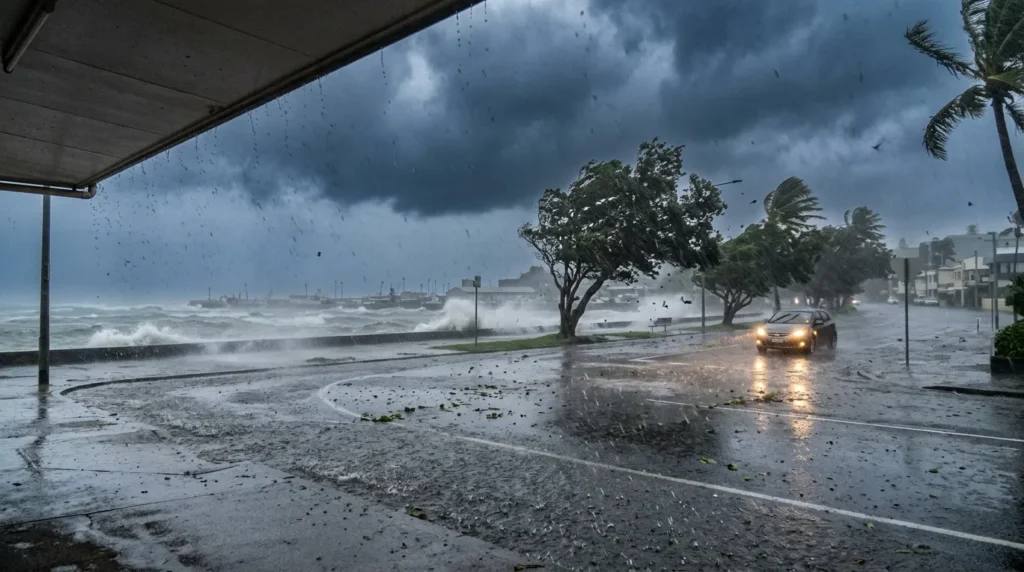
Similes for bad weather are expressions that compare unpleasant weather conditions to something else, usually using the words “like” or “as.”
For example, “The rain fell like a waterfall” compares heavy rainfall to a powerful stream of falling water.
These comparisons make weather descriptions more interesting by helping readers picture what they might see, hear, or feel during a storm.
Similes for Bad Weather
1. The Storm Roared Like a Hungry Lion
Meaning: The storm was loud, powerful, and frightening.
Quote: “The storm roared like a hungry lion, shaking the quiet countryside.”
Examples:
The storm roared like a hungry lion outside our windows.
Thunder growled like a hungry lion in the distance.
The wind roared like a hungry lion through the trees.
2. The Rain Fell Like a Waterfall
Meaning: The rain was extremely heavy and continuous.
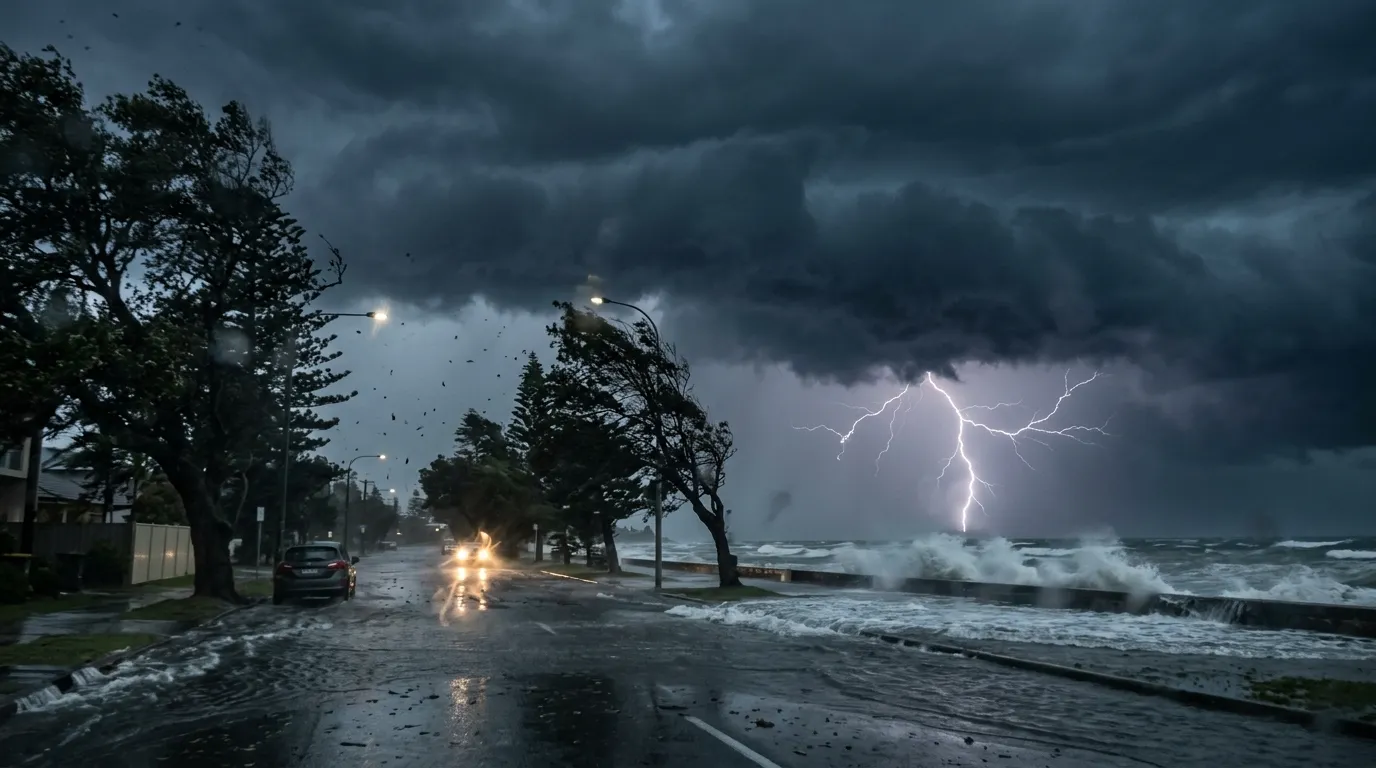
Quote: “Rain fell like a waterfall, flooding the streets within minutes.”
Examples:
The rain fell like a waterfall from the dark sky.
Water poured from the clouds like a waterfall over the rooftops.
The sudden downpour rushed down the hill like a waterfall.
3. The Wind Howled Like a Pack of Wolves
Meaning: The wind made loud, eerie sounds that created a frightening atmosphere.
Quote: “The wind howled like a pack of wolves around the lonely house.”
Examples:
The wind howled like a pack of wolves all night.
Outside, the winter wind howled like wolves searching for prey.
The gusts howled like a pack of wolves through the narrow streets.
4. The Sky Was as Dark as Coal
Meaning: The sky was extremely dark because of thick storm clouds.
Quote: “By late afternoon, the sky was as dark as coal.”
Examples:
The sky became as dark as coal before the storm arrived.
Thick clouds covered the town, making the sky as dark as coal.
The sky was as dark as coal when the first drops of rain began to fall.
5. The Thunder Crashed Like Exploding Cannons
Meaning: The thunder was extremely loud and startling.
Quote: “Thunder crashed like exploding cannons across the valley.”
Examples:
The thunder crashed like exploding cannons above our house.
Each rumble sounded like a cannon firing in the distance.
Thunder boomed like exploding cannons during the midnight storm.
6. The Rain Hit the Roof Like a Thousand Drums
Meaning: The rain made a loud, continuous tapping and pounding sound.
Quote: “Rain hit the roof like a thousand drums playing out of control.”
Examples:
The rain beat against the windows like a thousand drums.
Hail struck the metal roof like a thousand tiny drums.
The downpour pounded the shelter like a thousand drums.
7. The Wind Was as Cold as Ice
Meaning: The wind felt extremely cold against the skin.
Quote: “The wind was as cold as ice, biting through our jackets.”
Examples:
The morning wind was as cold as ice against my face.
A freezing breeze swept through the garden like an icy blade.
The wind felt as cold as ice as we hurried home.
8. The Clouds Gathered Like an Army
Meaning: Dark clouds moved together and covered the sky, suggesting an approaching storm.
Quote: “Dark clouds gathered like an army preparing to conquer the horizon.”
Examples:
Clouds gathered like an army above the distant mountains.
Heavy storm clouds marched across the sky like an army.
The clouds crowded together like an army ready for battle.
9. The Lightning Flashed Like a Camera in the Dark
Meaning: Lightning appeared suddenly and brightly, illuminating the surroundings for a moment.
Quote: “Lightning flashed like a camera in the dark, revealing the twisted trees.”
Examples:
Lightning flashed like a camera in the dark sky.
The bright bolt lit up the garden like a camera flash.
Lightning flickered like a camera going off during the storm.
10. The Rain Was as Relentless as a Marching Army
Meaning: The rain continued without stopping or becoming weaker.
Quote: “The rain was as relentless as a marching army, beating against everything in its path.”
Examples:
The rain was as relentless as a marching army throughout the night.
Heavy showers continued like soldiers advancing across the land.
The steady downpour was as relentless as an army on the move.
11. The Road Was as Slippery as Soap
Meaning: The wet road was dangerously slippery and difficult to walk or drive on.
Quote: “After hours of rain, the road was as slippery as soap.”
Examples:
The muddy path was as slippery as soap beneath our feet.
The wet pavement felt as slippery as soap.
The road became as slippery as soap after the sudden shower.
12. The Fog Wrapped Around the Town Like a Blanket
Meaning: Thick fog covered the town and made it difficult to see.
Quote: “Fog wrapped around the town like a blanket, hiding the houses from view.”
Examples:
The thick fog settled over the fields like a blanket.
Mist covered the village like a gray blanket.
The fog surrounded the road like a blanket of smoke.
13. The Hailstones Fell Like Pebbles from the Sky
Meaning: Small pieces of ice fell rapidly from the clouds, striking the ground and rooftops.
Quote: “Hailstones fell like pebbles from the sky, bouncing across the pavement.”
Examples:
Hailstones fell like pebbles onto the car roof.
The icy pellets struck the windows like pebbles being thrown.
Hail fell like tiny stones across the garden.
14. The Weather Was as Miserable as a Rainy Monday
Meaning: The weather was unpleasant, gloomy, and depressing.
Quote: “The weather was as miserable as a rainy Monday, with no sunshine in sight.”
Examples:
The afternoon felt as miserable as a rainy Monday.
The cold drizzle made the day as miserable as a rainy Monday morning.
Everything looked as gloomy as a rainy Monday without a break in the clouds.
15. The Storm Swept Through the Town Like a Wild Horse
Meaning: The storm moved quickly and powerfully through the area.
Quote: “The storm swept through the town like a wild horse, leaving branches scattered everywhere.”
Examples:
Strong winds swept through the village like a wild horse.
The storm rushed across the fields like a wild horse escaping its stable.
The fierce weather raced through the streets like a wild horse.
16. The Trees Bent Like Old Men in the Wind
Meaning: The trees leaned and swayed under the pressure of strong winds.
Quote: “The trees bent like old men struggling against the storm.”
Examples:
The tall trees bent like old men beneath the powerful gusts.
The palm trees swayed like tired old men in the wind.
Branches drooped like weary old men during the storm.
17. The Rainwater Rushed Down the Street Like a River
Meaning: Heavy rainfall caused water to flow rapidly along the road.
Quote: “Rainwater rushed down the street like a river after the clouds opened.”
Examples:
Water flowed down the pavement like a river.
The flooded road ran like a river through the neighborhood.
Rainwater streamed down the hill like a river after the downpour.
18. The Sky Looked as Gloomy as a Forgotten Graveyard
Meaning: The sky appeared dark, sad, and unsettling.
Quote: “The sky looked as gloomy as a forgotten graveyard beneath the heavy clouds.”
Examples:
The gray afternoon was as gloomy as a forgotten graveyard.
The empty landscape looked as gloomy as a forgotten graveyard in the rain.
The sky remained as gloomy as a forgotten graveyard all morning.
19. The Blizzard Roared Like a Freight Train
Meaning: The blizzard produced powerful winds and loud, rushing sounds.
Quote: “The blizzard roared like a freight train, burying the road beneath thick snow.”
Examples:
The winter storm roared like a freight train outside the cabin.
Snow and wind rushed past the windows like a freight train.
The blizzard sounded like a freight train racing through the darkness.
20. The Weather Changed Like a Switch Being Flipped
Meaning: The weather changed suddenly from pleasant to unpleasant.
Quote: “The weather changed like a switch being flipped, turning sunshine into a sudden downpour.”
Examples:
The sky darkened like a switch being flipped.
The peaceful afternoon changed like a switch being flipped when the storm arrived.
Sunshine disappeared like a switch being flipped, and cold rain began to fall.
Short Similes for Bad Weather
If you need quick comparisons for a poem, story, caption, or school assignment, these short similes can help.
As cold as ice.
As dark as coal.
Like a roaring lion.
Like a rushing river.
Like a thousand drums.
Like a curtain of rain.
Like an angry sky.
Like a wild horse.
As gloomy as midnight.
Like a blanket of fog.
As slippery as soap.
Like an army of clouds.
Like a freight train.
As fierce as a raging beast.
Like arrows of rain.
Similes for Different Types of Bad Weather
Different weather conditions create different moods. Choose a simile that matches the scene you want to describe.
Similes for Heavy Rain
The rain fell like a waterfall.
The downpour hammered the roof like a thousand drums.
Water rushed through the streets like a river.
Rain poured from the clouds like an endless curtain.
Similes for Strong Winds
The wind howled like a pack of wolves.
The gusts rushed through the trees like a speeding train.
The branches shook like frightened dancers.
The wind roared like a hungry lion.
Similes for Thunderstorms
Thunder crashed like exploding cannons.
Lightning flashed like a camera in the dark.
The storm rumbled like a giant rolling a barrel across the sky.
The clouds gathered like an army ready for battle.
Similes for Snowstorms and Blizzards
Snow swirled like dust in a whirlwind.
The blizzard roared like a freight train.
Snowflakes flew like white feathers in the wind.
The frozen landscape glittered like broken glass.
Similes for Gloomy Weather
The sky was as dark as coal.
The afternoon felt as gloomy as a forgotten graveyard.
The clouds hung over the town like a heavy blanket.
The gray sky looked like a faded painting.
How to Use Similes for Bad Weather in Writing
Similes work best when they help readers imagine the weather rather than simply telling them it is bad. Here are some practical tips.
1. Describe what the weather sounds like.
Compare thunder to cannons or wind to wolves to make the scene more dramatic.
2. Focus on what people can see.
Use comparisons such as “the sky was as dark as coal” to create a clear visual image.
3. Include physical sensations.
A phrase like “the wind was as cold as ice” helps readers feel the character’s discomfort.
4. Match the simile to the mood.
A storm that feels frightening might roar like a lion, while gloomy weather might resemble a forgotten graveyard.
5. Avoid using too many comparisons together.
Choose one or two strong similes so your description feels natural and easy to follow.