

What Is a Simile for Miserable?
A simile for miserable compares a person, emotion, experience, or situation to something that suggests sadness, loneliness, discomfort, emptiness, or unhappiness.
For example:
He looked as miserable as a wet puppy.
This comparison creates an image of someone who looks uncomfortable, unhappy, and defeated.
Another example is:
She felt like a lonely cloud drifting across an empty sky.
This gives the reader a sense of isolation and sadness.
The best similes for miserable should match the particular kind of unhappiness you want to communicate.
Best Similes for Miserable
Here are some useful similes for describing people, emotions, and situations that feel miserable.
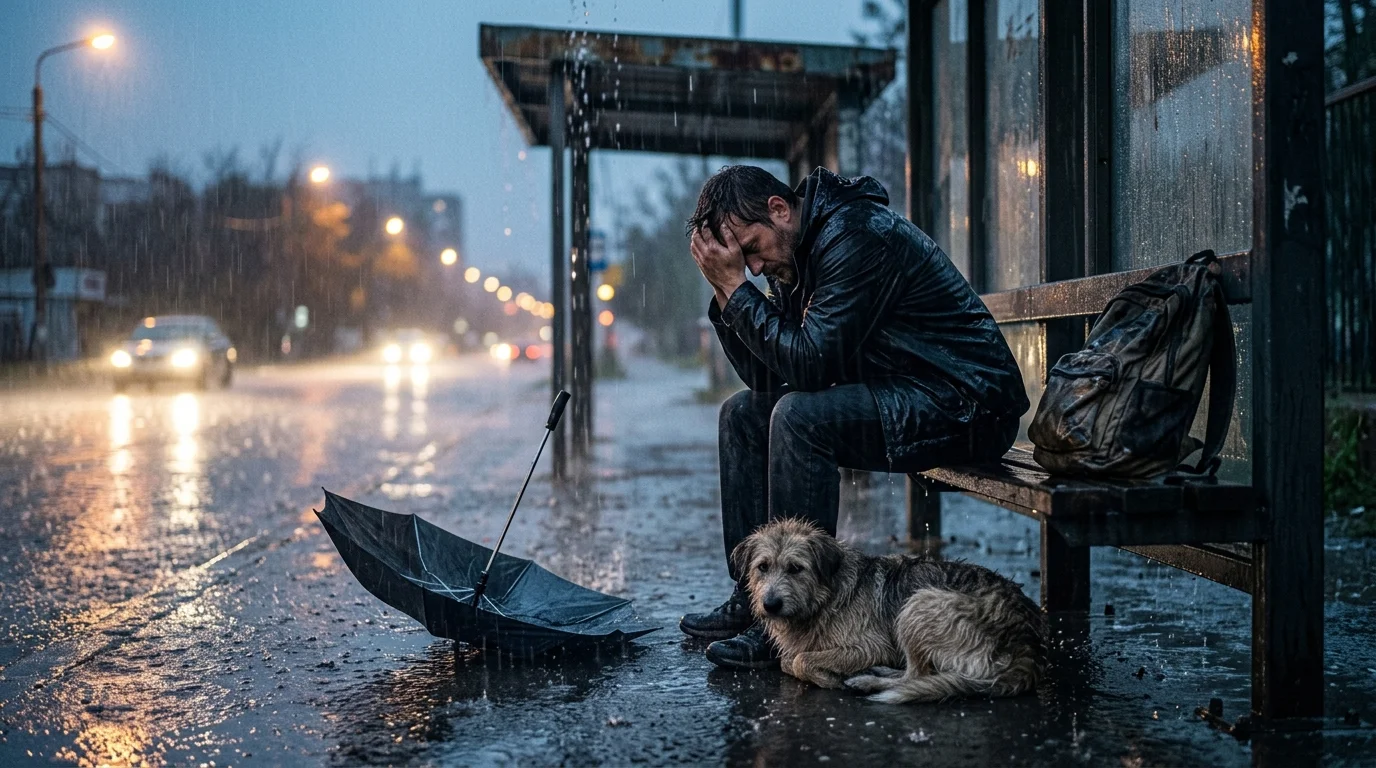
1. As Miserable as a Rainy Day
Meaning: This describes someone who feels gloomy, sad, or unhappy.
Quote:
“After hearing the disappointing news, he looked as miserable as a rainy day.”
Examples:
- She felt as miserable as a rainy day after losing the competition.
- He sat quietly, as miserable as a rainy afternoon.
- The child looked as miserable as a rainy day when the picnic was canceled.
2. As Miserable as a Wet Puppy
Meaning: This simile describes someone who looks sad, uncomfortable, helpless, or discouraged.
Quote:
“The boy stood outside in the rain, looking as miserable as a wet puppy.”
Examples:
- She looked as miserable as a wet puppy after missing the bus.
- The soaked dog seemed as miserable as a wet puppy.
- He sat in the corner as miserable as a wet puppy.
3. Like a Cloud Without Sunshine
Meaning: This describes someone who feels gloomy, empty, or deprived of happiness.
Quote:
“Without her best friend nearby, she felt like a cloud without sunshine.”
Examples:
- He seemed like a cloud without sunshine after the argument.
- The lonely child felt like a cloud without sunshine.
- She walked through the day like a cloud without sunshine.
4. Like a Flower Without Water
Meaning: This describes someone who feels emotionally drained, neglected, or unable to flourish.
Quote:
“After weeks of loneliness, she felt like a flower without water.”
Examples:
- He looked like a flower without water after days of disappointment.
- The lonely character felt like a flower without water.
- Without encouragement, she felt like a flower without water.
5. As Sad as a Broken Heart
Meaning: This describes someone experiencing deep emotional sadness or disappointment.
Quote:
“He looked as sad as a broken heart after saying goodbye to his friend.”
Examples:
- She was as sad as a broken heart after the farewell.
- His expression was as sad as a broken heart.
- The character seemed as sad as a broken heart throughout the story.
6. Like a Shadow Without a Light
Meaning: This simile suggests emptiness, loneliness, or a lack of hope.
Quote:
“After losing his purpose, he wandered through the days like a shadow without a light.”
Examples:
- She felt like a shadow without a light.
- He moved through the room like a shadow without a light.
- The character seemed like a shadow without a light after the tragedy.
7. As Lonely as an Island
Meaning: This describes someone who feels isolated and separated from others.
Quote:
“In the crowded classroom, he felt as lonely as an island.”
Examples:
- She was as lonely as an island after moving to a new town.
- He sat by himself, as lonely as an island.
- The character felt as lonely as an island among strangers.
8. Like a Bird With a Broken Wing
Meaning: This describes someone who feels hurt, helpless, or unable to move forward.
Quote:
“After the failure, she felt like a bird with a broken wing.”
Examples:
- He looked like a bird with a broken wing after the defeat.
- The disappointed student felt like a bird with a broken wing.
- She moved through the day like a bird with a broken wing.
9. As Empty as an Abandoned House
Meaning: This describes a person or feeling that seems emotionally empty, lonely, or without joy.
Quote:
“After everyone left, the house felt as empty as an abandoned house.”
Examples:
- His heart felt as empty as an abandoned house.
- She described her days as empty as an abandoned house.
- The room seemed as empty as an abandoned house after the celebration ended.
10. Like a Candle in the Rain
Meaning: This describes someone whose hope or happiness feels weak and vulnerable.
Quote:
“His confidence was like a candle in the rain, struggling to stay bright.”
Examples:
- Her hope felt like a candle in the rain.
- He stood there like a candle in the rain, uncertain of what to do.
- Their happiness seemed like a candle in the rain.
11. As Gloomy as a Cloudy Sky
Meaning: This describes someone who appears deeply unhappy, gloomy, or discouraged.
Quote:
“His mood was as gloomy as a cloudy sky.”
Examples:
- She looked as gloomy as a cloudy sky.
- The classroom felt as gloomy as a cloudy sky after the bad news.
- He spent the afternoon as gloomy as a cloudy sky.
12. Like a Song Without a Melody
Meaning: This describes a life, experience, or person that feels empty, joyless, or incomplete.
Quote:
“Without her passion for painting, her days felt like a song without a melody.”
Examples:
- His routine became like a song without a melody.
- The celebration felt like a song without a melody.
- She described her lonely life as a song without a melody.
13. As Downcast as a Wilting Flower
Meaning: This describes someone who looks discouraged, sad, or emotionally exhausted.
Quote:
“He sat at his desk as downcast as a wilting flower.”
Examples:
- She looked as downcast as a wilting flower after receiving the news.
- The student seemed as downcast as a wilting flower.
- He walked home as downcast as a wilting flower.
14. Like a Ship Lost at Sea
Meaning: This describes someone who feels confused, helpless, lonely, or without direction.
Quote:
“After losing his job, he felt like a ship lost at sea.”
Examples:
- She felt like a ship lost at sea after moving away from home.
- He wandered through the unfamiliar city like a ship lost at sea.
- The character seemed like a ship lost at sea without a clear purpose.
15. As Miserable as a Dog in the Rain
Meaning: This describes someone who looks extremely unhappy, uncomfortable, or discouraged.
Quote:
“He was as miserable as a dog in the rain when the match was canceled.”
Examples:
- She looked as miserable as a dog in the rain.
- The children were as miserable as dogs in the rain when the trip was postponed.
- He felt as miserable as a dog in the rain after the disappointing result.
16. Like Winter Without Spring
Meaning: This describes a situation that feels cold, hopeless, or as though happiness will never return.
Quote:
“Those difficult months felt like winter without spring.”
Examples:
- Her sadness felt like winter without spring.
- The lonely period was like winter without spring.
- His life seemed like winter without spring after the loss.
17. As Cold as an Empty Room
Meaning: This describes an emotional state that feels lonely, distant, or lacking warmth.
Quote:
“Without her family around, the house felt as cold as an empty room.”
Examples:
- His emotions felt as cold as an empty room.
- The friendship became as cold as an empty room.
- She described the lonely evening as cold as an empty room.
18. Like a Raindrop Lost in the Ocean
Meaning: This describes someone who feels insignificant, alone, or overwhelmed by sadness.
Quote:
“In the enormous city, he felt like a raindrop lost in the ocean.”
Examples:
- She felt like a raindrop lost in the ocean.
- The lonely traveler seemed like a raindrop lost in the ocean.
- He felt insignificant, like a raindrop lost in the ocean.
19. As Heavy as a Stone
Meaning: This describes sadness or emotional pain that feels difficult to carry.
Quote:
“The disappointment sat on his heart as heavy as a stone.”
Examples:
- Her sadness felt as heavy as a stone.
- The bad news weighed on him as heavy as a stone.
- His regret was as heavy as a stone in his chest.
20. Like a Star Hidden Behind Clouds
Meaning: This describes someone whose happiness or hope is still present but temporarily hidden by sadness.
Quote:
“Her smile was like a star hidden behind clouds, still there but difficult to see.”
Examples:
- His happiness seemed like a star hidden behind clouds.
- Her confidence was like a star hidden behind clouds.
- Even in sadness, his hope remained like a star hidden behind clouds.
Similes for a Miserable Person
When describing a person who looks or feels deeply unhappy, these comparisons can work well:
- As miserable as a rainy day
- As miserable as a wet puppy
- Like a bird with a broken wing
- Like a shadow without a light
- As lonely as an island
- Like a ship lost at sea
- As gloomy as a cloudy sky
- Like a flower without water
- Like a star hidden behind clouds
- As downcast as a wilting flower
For example:
“After hearing the disappointing news, Daniel looked as miserable as a wet puppy.”
This is more descriptive than simply saying Daniel was sad.
Similes for Feeling Miserable
If you want to describe an internal emotional experience, try comparisons such as:
- Like a candle in the rain
- Like winter without spring
- Like a flower without water
- Like a shadow without a light
- Like a song without a melody
- Like a ship lost at sea
- As heavy as a stone
- Like a raindrop lost in the ocean
For example:
“After leaving her hometown, she felt like a ship lost at sea.”
The comparison communicates loneliness, uncertainty, and a lack of direction.
Similes for a Miserable Situation
Sometimes the situation itself—not a person—is miserable.
You could write:
- The day was as gloomy as a cloudy sky.
- The waiting felt like winter without spring.
- The empty room was as cold as an abandoned building.
- The disappointing result felt as heavy as a stone.
- The silence was like a song without a melody.
- The lonely journey was like a ship lost at sea.
These comparisons are useful in narratives, descriptive essays, and creative writing.
Similes for Miserable in Creative Writing
Similes can help writers show sadness instead of simply telling readers about it.
Compare these two sentences:
She was miserable.
Now consider:
She sat by the window like a lonely cloud drifting through an empty sky.
The second sentence gives the reader a visual image of her sadness and isolation.
Another example:
His disappointment felt as heavy as a stone, pressing down on every hopeful thought.
This creates a stronger emotional impression than simply saying he was disappointed.
How to Create Your Own Similes for Miserable
Creating an original simile begins with identifying the exact kind of misery you want to describe.
Step 1: Identify the emotion
Ask yourself whether the person feels:
- Sad
- Lonely
- Disappointed
- Empty
- Hopeless
- Uncomfortable
- Defeated
- Exhausted
- Confused
Step 2: Find a matching image
Think about nature, objects, animals, weather, or situations.
For example:
Lonely → empty island
Sad → rainy day
Helpless → bird with a broken wing
Hopeless → candle in the rain
Confused → ship lost at sea
Emotionally empty → abandoned house
Step 3: Connect them with “like” or “as”
For example:
“He felt like a ship lost at sea.”
Step 4: Add context
Make the simile part of a complete sentence:
“After moving to a new city where he knew nobody, he felt like a ship lost at sea.”
This gives the comparison a clear reason and makes it more natural.
Simile vs. Metaphor for Miserable
A simile uses words such as “like” or “as” to compare two things.
She felt like a flower without water.
A metaphor makes the comparison directly.
She was a flower without water.
Both can communicate sadness or emotional exhaustion, but a simile clearly signals that one thing is being compared to another.
Why Are Similes for Miserable Useful?
Similes are especially useful for describing difficult emotions because sadness can be hard to visualize.
A strong comparison can:
- Create a vivid emotional image
- Show rather than tell
- Make characters more relatable
- Add depth to stories
- Strengthen poetry
- Improve descriptive essays
- Help students express emotions creatively
- Make writing more memorable
Instead of simply telling readers that someone is miserable, a simile lets them imagine what that misery feels like.
Tips for Choosing the Right Simile for Miserable
Not every simile for sadness communicates the same feeling. Choose one that fits your context.
For loneliness:
Use “as lonely as an island.”
For helplessness:
Use “like a bird with a broken wing.”
For confusion:
Use “like a ship lost at sea.”
For emotional emptiness:
Use “as empty as an abandoned house.”
For disappointment:
Use “as heavy as a stone.”
For fading hope:
Use “like a star hidden behind clouds.”
Matching the comparison to the exact emotion makes your writing more precise and powerful.